
Surgical Treatment Options for Heart Valve Disease
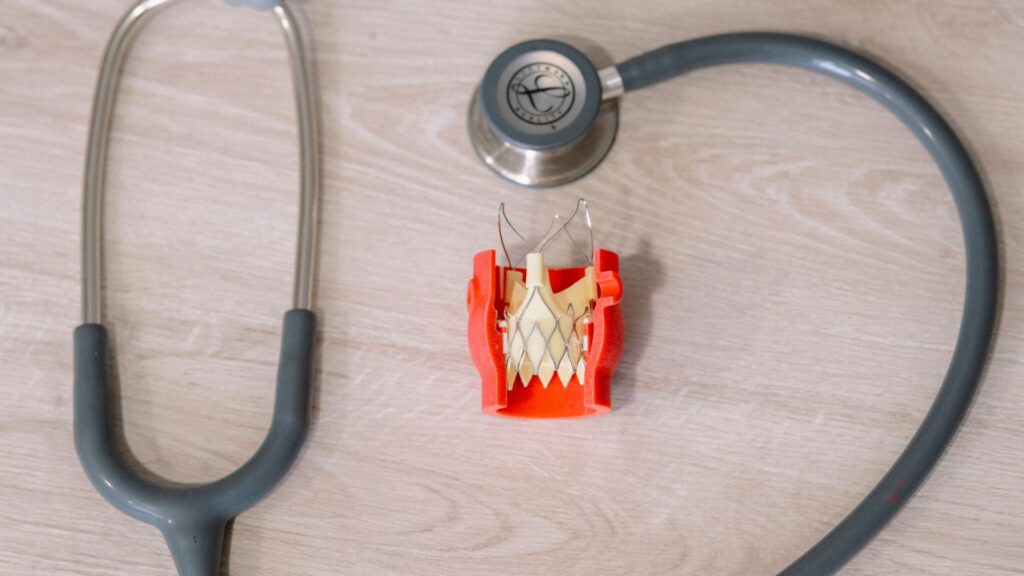
We explain when valve repair and valve replacement are preferred in heart valve disease.
- Heart valve disease can present as stenosis (narrowing) or regurgitation (leaking).
- In suitable cases, valve repair is performed while preserving the patient's own tissue.
- If repair is not possible, the valve is replaced with a mechanical or biological valve.
- In some patients, valve surgery can be combined with bypass surgery.
- Regular echocardiography follow-up is required after surgery.
Heart valve disease arises when the valves cannot open sufficiently (stenosis) or cannot close fully (regurgitation), and over time it can lead to heart failure. The treatment plan is determined according to which valve is affected and the severity of the disease.
In suitable cases, valve repair is preferred; in this method the patient’s own valve tissue is preserved and its function is corrected. Where repair is not possible, the valve is replaced with a mechanical or biological prosthetic valve.
When deciding on surgery, the patient’s age, general health and the presence of other heart conditions are assessed together. In some patients, valve surgery can be performed in the same session as coronary bypass surgery.
Regular echocardiography follow-up after surgery is important for monitoring valve function and general heart health.