
Exercise for Vein Health
Strengthen your circulation and overall wellbeing with personalised exercise programmes that support vein health.
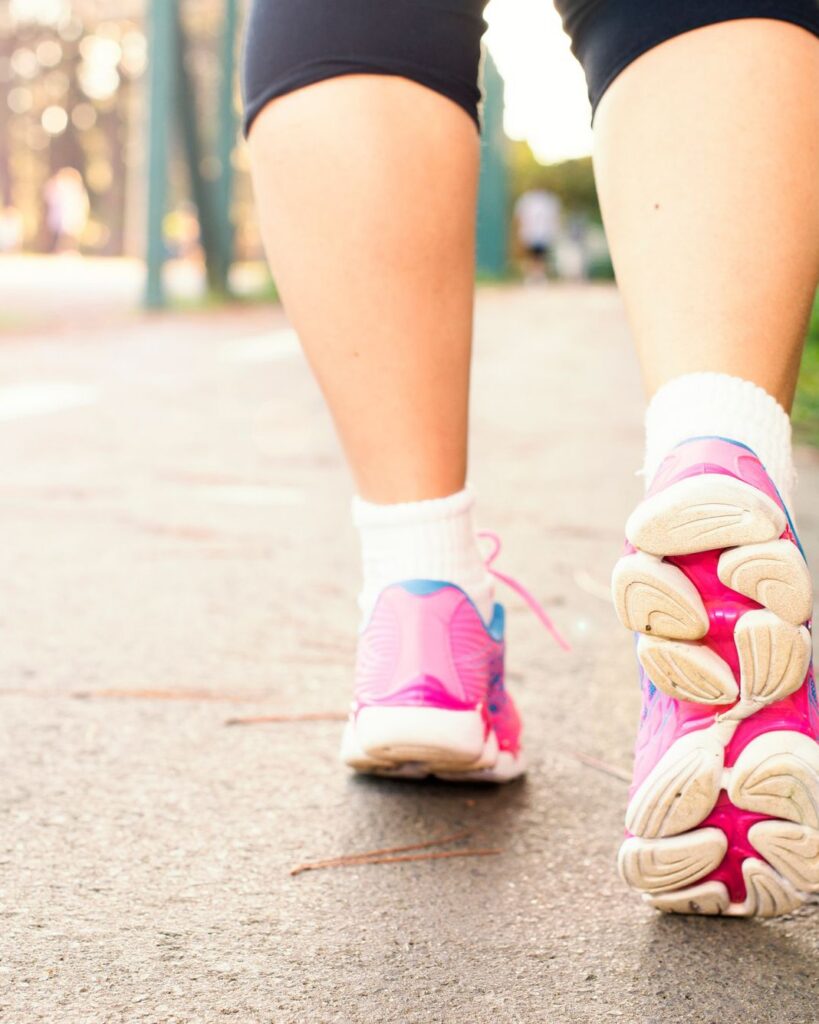
- Exercises planned around your needs. Personalised Programme
- Movements that support vein health. Circulation Support
- A safe, sustainable pace. Gradual Progression
- Close monitoring of your progress. Regular Follow-up
 Istanbul
Acıbadem Kozyatağı Hospital
Get directionsStrengthen your circulation and overall wellbeing with personalised exercise programmes that support vein health.
Exercise is the set of planned physical activities carried out to maintain physical fitness, increase muscle strength and optimise the function of the circulatory system. Where vein health is concerned, the venous system’s ability to pump blood back to the heart against gravity is directly linked to the habit of regular movement. Activities that stimulate blood circulation are among the most important factors supporting the success of the modern varicose vein treatment options used to protect vein health.
What is exercise and why is it important for vein health?
Exercise is one of the fundamental ways of improving the efficiency of the heart and vascular system. The arteries that carry oxygen to all the body’s tissues and the veins that carry deoxygenated blood back to the heart need a rhythm supported by muscle activity. In the legs in particular, which we call the lower limbs, the return of blood to the heart meets physical resistance because of gravity. This is where the “calf muscle pump” comes into play, squeezing the veins with every step and pushing the blood upwards. Regular physical activity preserves the strength of this muscle pump and helps maintain the pressure balance inside the veins and the continuity of circulation.
A sedentary lifestyle can cause blood to pool in the legs and pressure to build up on the venous valves. Over time, this pressure can cause the vein walls to stretch and the valves to lose their function, triggering venous insufficiency. Adopting an active life helps minimise these risks by increasing the elasticity of the veins. In advanced cases, however, movement alone may not be enough; at this stage the vein structure may need to be repaired under specialist supervision. As a preventive approach, movement is critically important for supporting the long-term success of the results of any interventional treatment.
What are vein-friendly exercises?
The basic principle is that the activities chosen to support venous health should be low-impact and sustainable. Walking leads the way; during regular, moderately paced walks, the rhythmic contractions that start at the sole of the foot and spread to the calf muscles noticeably support venous return. Although gentle jogging has a similar effect, choosing surfaces that do not overload the joints is better for general health. Paying attention to the heel-to-toe motion while walking increases the mechanical pumping effect and stabilises the speed of flow inside the veins.
Because of the buoyancy of water and the hydrostatic pressure it exerts, swimming is one of the beneficial sports recommended for protecting vein health. Performed in a horizontal position, this activity relieves the pressure of gravity on the leg veins, while the coolness of the water creates a natural constricting effect on the vessels that can reduce swelling. Simple ankle-pumping movements that can be done during the day are also very important. Pulling the toes up and then pointing them down, whether sitting or standing, is a way of preventing blood from becoming stagnant. Small exercises of this kind can improve tissue nourishment by reducing the tension in the vein walls.
Leg exercises with a resistance band
Using a resistance band is a practical way of increasing vein tone by strengthening the calf and upper leg muscles. Resistance exercises done with a band keep the muscles active in both the contraction and the lengthening phase. This can indirectly relieve the load on the venous valves, because strong muscles provide better external support for the vein walls. Looping the band around the sole of the foot and pushing the leg forward or out to the side works the deep muscle groups and increases the force with which blood is pushed towards the heart.
One of the critical points to bear in mind during lateral walks or leg-opening movements with a band is that the movement should be controlled and slow. Rather than movements requiring sudden, explosive force, sets performed while feeling the resistance are safer for vein health. Excessive straining should be avoided during exercise, as this raises the pressure inside the abdomen and can temporarily restrict the flow of blood from the legs to the heart. Resistance work supported by controlled breathing stabilises the speed of blood flow and can help prevent the veins from over-dilating.
Band exercises that reduce varicose vein symptoms
Band exercises focused on flexibility and controlled resistance are particularly effective in reducing the feeling of heaviness and the oedema caused by varicose veins. Bands increase the flexibility of the muscles while also supporting lymphatic drainage. Lifting the leg with the help of a band while lying down and performing stretches speeds up the flow of blood to the heart with the help of gravity. Exercises of this kind help clear the stagnation inside the veins and bring the fluid accumulated between the tissues back into circulation, easing the feeling of tiredness in the legs.
Band-assisted exercise sets should be arranged so as to prevent muscle fatigue. Rather than very high-resistance bands, medium-level bands that allow the movement to be performed in full form should be preferred. Foot flexions done with a band in a seated position are practical enough to be performed even in an office setting. This disciplined approach can reduce the cramps and aches experienced by patients with varicose veins by increasing the pumping efficiency of the muscles. Using stretching and strengthening movements together also preserves the stability of the tissues around the veins.
How does using an exercise bike affect vein health?
A stationary exercise bike is a controlled cardiovascular tool that minimises the load on the joints while allowing the leg muscles to work continuously and rhythmically. The pedalling motion keeps the calf muscles in particular active and helps lower the high pressure inside the veins. Pedalling for long periods at low resistance settings is a recommended way of stimulating circulation without straining the vein walls. The wide range of motion of the ankle joint while cycling allows the lower-leg pump to work at high efficiency.
Recumbent bikes can be ergonomically advantageous for people with varicose veins. Because the legs are kept level with the body or slightly higher on this type of bike, venous return can take place more easily. The duration and intensity of training should be adjusted on specialist advice according to the person’s current venous capacity and the severity of their symptoms. The feeling of lightness in the legs after exercise is one of the important indicators of the positive effect of cycling on vein health. Regular pedalling can improve the entire circulatory system by increasing not only leg circulation but also general cardiac capacity.
How should vein health be planned for athletes?
In people involved in high-performance sports, the vascular system can be exposed to more load than normal. Intensive training programmes in particular can bring with them the risk of vein dilation and valve insufficiency. This is why vascular health in athletes assessment is critical for sustaining performance and for the early diagnosis of possible venous disease. The varicose veins seen in professional athletes often stem from the effect of high-pressure training on the venous valves.
A regularly monitored athlete health plan should include both preventive measures during training and recovery processes. After an injury, a gradual return strategy should be followed to prevent circulatory disorders that can result from immobility. Methods such as wearing compression garments, cold applications and leg elevation are the cornerstones of protecting vein health in people who do intensive sport. In addition, stretching and low-intensity cardio sessions added between heavy weight sessions ensure that the pressure inside the veins is relieved regularly.
Are heavy lifting and high-pressure sports risky?
High-intensity sports such as weightlifting, powerlifting or CrossFit can significantly raise the pressure inside the abdomen. This rise in pressure can temporarily make it harder for the veins in the legs to send blood to the heart and can place a reverse load on the venous valves. If a person has a genetic predisposition or existing valve damage, uncontrolled heavy lifting can speed up the development of varicose veins or make existing symptoms worse. This is linked in particular to the internal pressure that peaks during “straining”.
Using the correct breathing technique during training is vital for managing risks of this kind. Rather than holding the breath while lifting the weight, breathing out at the moment of greatest effort helps balance the pressure inside the abdomen. It may also be necessary to balance strength training with cardio activities such as walking or swimming. Actively moving the leg muscles after static, high-pressure exercises disperses the accumulated blood and allows the veins to relax. Resting with the legs raised after training helps release the accumulated venous load.
Daytime movement tips for desk workers
For people who work at a desk, short walks around the office during the day or regular pedalling movements under the desk help stimulate circulation. Active breaks of this kind are needed to prevent the pooling of blood in the legs, known as venous stasis, that results from spending most of the day sitting. Because keeping the knees and hips bent at a fixed angle for long periods causes the veins to be mechanically compressed and the speed of blood flow to slow, these tips should be followed to break the effects of immobility.
Rising up and down on the toes is a highly effective office exercise that works the calf pump. It can also be helpful to avoid habits such as crossing the legs, because this position puts mechanical pressure on the veins and can restrict circulation. Rotating the ankles in circular movements while sitting and stretching the legs out as straight as possible help reduce the leg pain and swelling that develop by the end of the day. A footrest placed under the desk can improve the position of the legs and support venous return.
Returning to exercise after surgery
Movement after surgical or minimally invasive procedures is an integral part of recovery. Thanks to modern techniques, patients are usually encouraged to start short walks immediately after the procedure. This early mobility can regulate blood flow and reduce the risk of clot formation. After minimally invasive varicose vein treatments in particular, the return to the daily routine is very quick, and controlled movement plays a role in increasing the success of the procedure.
As recovery progresses, the intensity of exercise is increased under the physician’s supervision. While heavy sports and high-pressure activities are avoided in the first few weeks, brisk walks contribute to the speed of recovery. Wearing compression stockings while exercising during this period can support tissue healing by giving the vein walls external support. Intensive training should not be resumed without the physician’s approval, and the body’s responses should be monitored carefully at every stage. A gradual increase strategy helps the veins adapt to the new pattern of circulation.
When should you stop exercising?
Although physical activity is generally vein-friendly, certain symptoms indicate that the body needs rest and medical assessment. Exercise should be stopped immediately if there is sudden, severe pain in the legs, marked one-sided swelling or noticeable redness. These symptoms can be signs of conditions that may require medical intervention, such as clot formation inside a vein or phlebitis. Pushing through the pain can cause the situation to become serious.
Activity should also be stopped if symptoms such as chest pain, sudden shortness of breath or dizziness occur during exercise. Where venous thrombosis is suspected, restriction is essential, because movements that strain the leg can create a risk in terms of the clot moving. Obtaining a specialist opinion before starting any sports programme is the safe way to stay active without endangering vein health. The suitability of an exercise programme for the health of the leg veins should be planned individually in the light of a clinical examination by Op. Dr. Arzu Ercan.
Frequently Asked Questions
Can someone with varicose veins walk every day?
Unless the physician advises otherwise, regular, moderately paced walks work the leg muscle pump, make it easier for deoxygenated blood to return to the heart and help reduce symptoms.
Should compression stockings be worn while exercising?
Wearing compression stockings during high-tempo activities or those performed against gravity can support the vein walls from the outside and prevent dilation.
What are the benefits of swimming for the leg veins?
Swimming is a highly beneficial activity that supports venous return by reducing the effect of gravity, thanks to the pressure exerted by the water and the horizontal position of the legs.
Does exercise make varicose veins disappear completely?
Exercise does not completely eliminate existing varicose veins, but it can slow their progression, ease symptoms such as pain and swelling, and help prevent new varicose veins from forming.
- Get a Second Opinion An independent specialist assessment of your current diagnosis and treatment. Get Started
- Online Doctor Consultation Meet via a secure video call before visiting the clinic. Schedule a Call
- Ask on WhatsApp Send your questions directly to our team. Start Chatting
- Free Preliminary Assessment Share your situation and let's map out a personalised plan together. Apply