
Lymphoedema Treatment
Manual lymphatic drainage, compression and supportive treatment approaches for swelling caused by the build-up of lymph fluid.

- Helps reduce swelling. Manual Lymphatic Drainage
- Control with the right pressure. Compression Support
- Sustainable in daily life. Movement Programme
- Focused on reducing recurrence. Long-Term Follow-up
 Istanbul
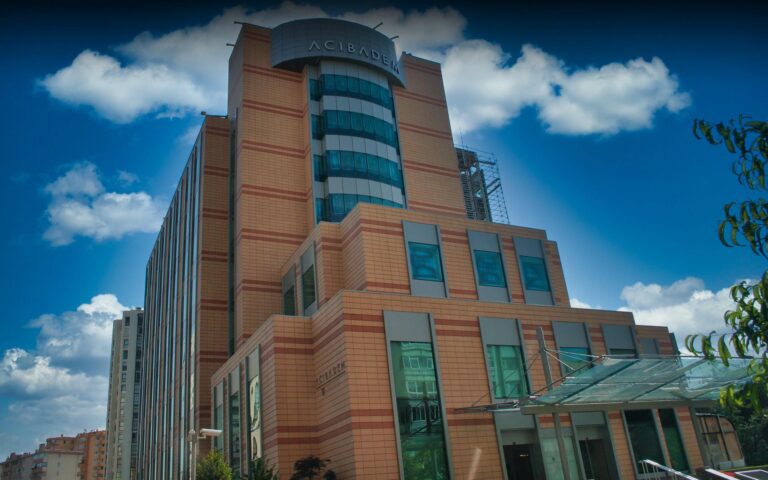
Acıbadem Kozyatağı Hospital
Get directionsManual lymphatic drainage, compression and supportive treatment approaches for swelling caused by the build-up of lymph fluid.
Lymphoedema (also spelled lymphedema) is a condition in which protein-rich fluid accumulates between the tissues because of insufficiency or damage in the lymphatic system, causing swelling, particularly in the arms and legs. Lymphoedema treatment, a long-term process, aims to improve the patient’s quality of life by bringing the swelling under control, protecting skin health and minimising the risk of infection.
How is personalised lymphoedema treatment planned?
A personalised lymphoedema treatment plan is created by assessing the stage of the condition, the degree of damage to the lymphatic system and the patient’s general health. The main aims of treatment are to drain the high-protein fluid trapped between the tissues, reduce the volume of the limb and prevent tissue hardening (fibrosis) by strengthening the skin’s defence mechanism. Focusing on the swelling alone is rarely enough; the functioning of the lymphatic system is considered as a whole.
At the planning stage, the stage of the lymphoedema is identified and a roadmap is drawn up. In the early stages, preventive methods and those aimed at draining fluid are preferred, while more intensive protocols are used in the advanced stages, where tissue hardening has begun. Factors such as the patient’s age, existing additional conditions and whether the oedema is one- or two-sided determine the frequency and duration of the physiotherapy sessions. The plan aims to enable the patient to manage the oedema independently, without disrupting their daily activities.
The origin of the lymphoedema also plays a decisive role in the treatment process. In cases of primary (congenital) lymphoedema, where there is a systemic developmental disorder, long-term support mechanisms come to the fore. In secondary lymphoedema (developing after surgery, radiotherapy or trauma), the site of the damage is known and treatment focuses on activating the intact lymphatic pathways around this area. In both cases, the aim is to bring this chronic condition under control by supporting the body’s natural drainage mechanisms.
Lymphoedema symptoms and clinical monitoring
Monitoring the symptoms of lymphoedema begins with observing subjective sensations such as heaviness, tightness and a feeling of fullness in the affected area. In the early stages of the condition the swelling may not always be visible, so keeping track of bodily sensations is critical for diagnosis. A person may notice that a ring they used to wear comfortably has become tight, that their watch leaves a mark, or that their shoes feel tight at the end of the day. Signs like these are the first indications that lymph fluid has begun to accumulate in the tissue spaces.
As the process progresses, changes in the skin become more evident. The skin may appear shiny and tight, and in some cases feel warm. In the early stage, pressing a finger on the swelling leaves an indentation that remains for a while; in medical terms this is called “pitting oedema”. In cases that are not managed properly, however, the accumulation of fluid disrupts the structure of the tissue proteins and leads to hardening, and after a time a firm layer of tissue that no longer pits when pressed may develop. This hardening can be a warning sign of serious infections or permanent tissue damage.
Restricted joint movement and tiring easily are also among the symptoms that need to be monitored. As fluid accumulation increases around joints such as the shoulder, elbow or ankle in particular, the person’s range of movement may narrow. Heaviness of the arm or leg during daily tasks and a feeling of fatigue that does not pass with rest indicate that the lymphatic load has increased. Monitoring these symptoms provides a vital body of data for the success of management and the correct staging of the condition.
Which doctor should you see for lymphoedema?
For the diagnosis and treatment of lymphoedema, patients should consult a cardiovascular surgeon, because of their expertise in the circulatory system. Cardiovascular surgeons can correctly identify the source of the swelling by assessing both the venous and the lymphatic components of the circulatory system. During the diagnostic process, imaging methods such as ultrasound are used to distinguish between vascular blockages, venous insufficiency and lymphatic drainage disorders. An accurate diagnosis is the first step in determining the appropriate treatment methods.
The differential diagnosis process rules out the other conditions with which lymphoedema is commonly confused. For example, the lipoedema treatment approach, for a condition that presents with symmetrical fat accumulation in the legs, differs significantly from that for lymphoedema. The specialist physician clarifies whether the oedema is due to heart failure, a kidney problem or direct damage to the lymphatic system. From this point, a decision is made on whether surgical intervention is needed, and the physiotherapy process is planned.
What are the stages of complete decongestive therapy?
Complete decongestive therapy consists of two main phases whose effectiveness in controlling lymphoedema is widely recognised. In the intensive decongestion phase, known as phase 1, the patient usually attends treatment every day. During this phase, professional techniques redirect the lymph fluid towards intact areas and skin care reduces the risk of infection. One of the most critical components of this phase is multi-layer bandaging, which prevents the drained fluid from returning to the tissues.
Phase 2 is defined as the maintenance phase. The aim during this period is to maintain the reduction achieved in the intensive phase. Instead of bandages, the patient now begins to use custom-made compression garments. The process is supported by self-drainage techniques the person can perform themselves and by special exercises. The success of treatment is directly related to how well the patient adheres to this maintenance phase, since fluid accumulation can speed up again if the lymphatic system is not supported.
What clinical outcomes does treatment aim for?
The clinical outcomes the treatment process aims for are a lasting reduction in the swelling of the affected area and bringing the lymphatic flow under control through sustainable management. Lymphoedema is a chronic condition; in other words, completely eliminating structural damage to the lymphatic system is not always possible with current medical means. However, this does not mean the condition cannot be managed. With the methods used today, successful results are achieved and the patient’s quality of life is significantly improved.
In cases diagnosed at an early stage, the success of management is very high. When intervention takes place before permanent hardening begins in the tissues, it is possible to reduce the swelling considerably and preserve the elasticity of the skin. In the advanced stages, the main aims are to soften the tissue, minimise the risk of infection and reduce the person’s restriction of movement. The clinical course runs in parallel with the patient’s adherence to the recommended protocols and how fully they adopt lifestyle changes.
What are the risks of untreated lymphoedema?
In untreated lymphoedema, the main dangers are the hardening over time of the protein-rich fluid accumulated in the tissue spaces and an increased risk of serious infection. Leaving lymphoedema untreated is not merely a cosmetic concern but a medical condition that brings systemic risks. The fluid accumulated in the tissues can trigger a chronic inflammatory process over time. This process causes the soft tissue to be replaced by hard, fibrous tissue, restricting the limb’s mobility.
One of the greatest risks is recurrent skin and tissue infections. Because the lymphatic system is part of the immune mechanism, the body’s defences are weakened in areas where this system is not working. Even a very small scratch can lead to rapidly spreading lymphangitis or cellulitis requiring hospital admission. Each episode of infection causes further damage to the lymphatic vessels, creating a cycle in which the oedema becomes even more severe.
How does manual lymphatic drainage reduce oedema?
Manual lymphatic drainage bypasses the blocked lymphatic pathways and directs the flow of accumulated fluid towards healthy lymph nodes using gentle, rhythmic hand movements. Although often confused with massage, manual lymphatic drainage is performed on completely different principles from conventional massage techniques. This technique is the cornerstone of the intensive treatment phase. Whereas conventional massage applies pressure to the muscle tissue, lymphatic drainage uses extremely gentle, rhythmic manoeuvres designed to stretch the skin.
During the treatment, the natural connecting channels within the lymphatic system are used. For example, if there is lymphoedema in the right arm, drainage techniques can direct the fluid to healthy lymph nodes in other parts of the body. This redirection must always be carried out by a trained professional, because pressure applied in the wrong direction or with the wrong intensity can have a negative effect on lymphatic flow. The treatment is usually performed immediately before bandaging to increase its effectiveness.
Who is suitable for lymphoedema surgery?
Lymphoedema surgery is generally a suitable option for patients who do not respond adequately to conservative methods or whose lymphatic channels are suitable for microsurgical intervention. Surgical methods are usually divided into physiological and reductive procedures. The most common physiological procedure is lymphaticovenous anastomosis (LVA). In this method, super-microsurgical techniques are used to create new connections between the blocked lymphatic vessels and nearby veins.
Another physiological method is lymph node transfer. A piece of tissue taken from an area of the body with healthy lymph nodes is transplanted to the area where lymphatic flow has been interrupted. These new lymph nodes can act as a mechanism that absorbs the fluid accumulated in the area, supporting natural drainage. Surgical methods are regarded as a complementary step, considered alongside physiotherapy. After the procedure, the use of compression garments and physiotherapy support continue for a further period.
What should be done to prevent the oedema from recurring?
To prevent the oedema from recurring, it is critically important that patients use their custom-made compression garments regularly, maintain their ideal weight and follow skin care rules to guard against the risk of infection. These garments increase the pressure outside the tissue, making it harder for fluid to leak out of the vessels again. The compression class of the garment should be prescribed by the physician according to the severity of the patient’s oedema and the condition of their skin. Where ready-made garments do not fit, custom production to the patient’s measurements is recommended.
Lifestyle adjustments support the success of the process. The limb should be kept cool, particularly in hot weather, as dilation of the vessels can increase the oedema. Exercise is the greatest ally of lymphatic drainage. Swimming, which makes use of the pressure of the water, is one of the activities particularly suitable for these patients. Suitability and follow-up decisions during the treatment process are determined by Op. Dr. Arzu Ercan through a comprehensive examination and clinical assessment.
Frequently Asked Questions
How long does lymphoedema treatment take?
The intensive treatment phase usually lasts between 2 and 4 weeks, depending on the severity of the oedema, with daily sessions during this period. However, because lymphoedema is a chronic condition, a lifelong maintenance phase and regular follow-up are necessary to preserve the results achieved.
Is lymphoedema treatment painful?
No; on the contrary, the manual lymphatic drainage and bandaging carried out as part of lymphoedema treatment are processes that bring relief to the patient. As the tightness and pressure in the limb decrease, the pain and feeling of heaviness ease. Manual drainage uses a far lighter touch than conventional massage.
Are the bandages used in treatment ordinary bandages?
No, ordinary elastic bandages or gauze are not used in lymphoedema treatment. Short-stretch bandages are preferred. These bandages apply low pressure at rest and high pressure during movement, helping to pump the fluid upwards.
Can air travel trigger lymphoedema?
Yes, changes in cabin pressure during a flight can make it easier for lymph fluid to leak into the tissues. For this reason, people who have lymphoedema or are at risk of it are advised always to wear suitable compression garments during the flight and to drink plenty of water.
Sources
Benefits of Lymphoedema Treatment
Possible benefits vary from person to person and depend on your health profile; the table below summarises the general aims of the treatment.
| Benefit | What This Means for You |
|---|---|
| Swelling control | Manual lymphatic drainage aims to reduce the build-up of fluid. |
| The right compression | Oedema management is supported with a pressure level suited to you. |
| Movement programme | Sustainable exercise recommendations for daily life. |
| Long-term follow-up | Regular check-ups aim to reduce the risk of recurrence. |
- Get a Second Opinion An independent specialist assessment of your current diagnosis and treatment. Get Started
- Online Doctor Consultation Meet via a secure video call before visiting the clinic. Schedule a Call
- Ask on WhatsApp Send your questions directly to our team. Start Chatting
- Free Preliminary Assessment Share your situation and let's map out a personalised plan together. Apply