
What Are the Symptoms of Peripheral Artery Disease?
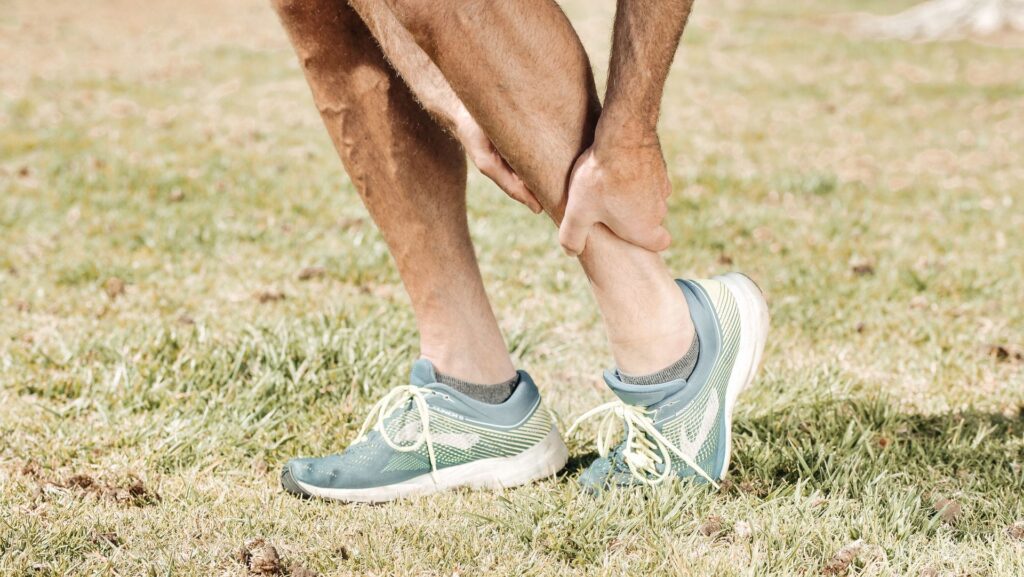
The symptoms of peripheral artery disease show themselves as cramps in the legs when walking, coldness and numbness. Discover the clues for early diagnosis.
- Leg pain when walking (claudication) is the most typical early symptom.
- Coldness and discolouration of the feet are among the advanced signs.
- Smoking, diabetes and high blood pressure are the main risk factors.
- Diagnosis is made by pulse examination and Doppler ultrasound.
- Early diagnosis plays a critical role in preventing serious complications.
Cramps that come on suddenly in the legs while walking, and muscle pain that passes with rest, can be a warning sign of a serious circulatory problem in the leg arteries. Known in medicine as the symptoms of peripheral artery disease, this condition develops when narrowing or blockage of the arteries that supply the legs prevents enough oxygen from reaching the tissues. Recognising the signs of arterial disease at an early stage is the most critical step in preventing permanent tissue damage and serious medical complications.
- Cramp-like pain that develops in the legs while walking and passes within a few minutes of resting is the most noticeable first complaint.
- In advanced cases, coldness, numbness, hair loss and a pale appearance of the legs and feet are noticeable.
- Where circulation is severely restricted, rest pain that wakes you from sleep and foot wounds that do not heal can develop.
- With early diagnosis, lifestyle changes and timely treatment, the course of the disease can be brought under control.
What is peripheral artery disease and how does it develop?
Peripheral artery disease is the narrowing of the arteries that carry blood to organs other than the heart and brain, particularly the lower limbs. The main cause of this narrowing is atherosclerosis (hardening of the arteries), plaque formed by deposits of cholesterol and fat in the artery walls.
As the plaques harden and grow over time, they restrict blood flow and prevent the muscles from getting the oxygen they need. Because the tissues need little oxygen at rest, there may be no symptoms. But at moments of increased muscle activity, such as walking and running, the blood supply falls short and pain is triggered.
What are the most common symptoms of peripheral artery disease?
In the early stage of the disease, many patients may not feel any complaints at all. But as the diameter of the artery narrows, clear warning signs appear in the legs and feet. This directly limits the distance the patient can walk each day.
Leg pain and cramp (claudication)
The most classic finding is intermittent leg pain, defined in medical terms as intermittent claudication. Cramp, aching and a feeling of fatigue begin in the calf, thigh or hip while walking or climbing stairs. When the patient stops and rests for 2–3 minutes, the cramp passes completely.
Changes in the skin, nails and colour
Noticeable physical changes in the skin of the legs are seen as a result of insufficient blood flow. The skin taking on a pale or purplish colour, loss of hair on the legs and slow growth of the toenails are among the common signs of circulatory disorder.
Non-healing wounds and cold feet
When blood flow falls to critical levels, a constant feeling of coldness and numbness develops in the feet and toes. Small grazes or wounds on the toes do not heal and over time create a risk of tissue loss.
The stages of peripheral artery disease and the clinical picture
Peripheral artery disease progresses in stages, depending on the degree to which the tissues are deprived of their blood supply. The clinical picture and the complaints observed vary according to the stage of the disease.
| Stage of disease | Typical symptoms | Clinical picture |
|---|---|---|
| Early stage | Mild leg fatigue, slight aching on brisk walks | Symptoms pass quickly with rest and do not limit daily life. |
| Intermediate stage | Cramp and stiffness after a certain walking distance | Walking distance shortens and coldness begins to be felt in the legs. |
| Advanced stage | Rest pain that wakes you at night, severe aching | Tingling and severe pain in the toes even when still. |
| Critical stage | Non-healing wounds, discolouration and tissue damage | Requires urgent medical assessment and intervention to save the leg. |
Risk factors for peripheral artery disease
There are certain key factors that damage arterial health and increase the risk of arterial blockage. Smoking is the most dangerous factor, as it directly damages the inner lining of the artery and speeds up plaque formation.
In addition, diabetes, uncontrolled high blood pressure, high cholesterol and advanced age have a negative effect on the arteries. Regular health screening is of great importance for people with a family history of arterial blockage at an early age.
What are the approaches to diagnosis and treatment?
In the diagnostic process, the first step is a physical examination and pulse check carried out by a specialist physician. Weak or absent pulses at the leg and ankle are an important clinical finding.
Doppler ultrasound or contrast imaging is used to make a definitive diagnosis and determine the level of the blockage. Exercise programmes and medical treatment are used in the early stage, while angioplasty, stenting or surgery may be needed in advanced cases.
Frequently asked questions
How can you recognise the leg pain of peripheral artery disease?
This pain clearly starts with walking and passes completely within a few minutes of stopping to rest. Its most typical feature is that it is felt as cramp and stiffness in the calf and thigh muscles.
Can peripheral artery disease be cured completely?
With early diagnosis, stopping smoking, regular walking exercise and medical treatment, the progression of the disease can be brought under control. Lifestyle adjustments play a key role in protecting arterial health.
When should you see a doctor about blocked arteries in the legs?
If you regularly experience leg pain when walking, or notice coldness or discolouration in your feet that does not pass with rest, you should consult a cardiovascular surgeon without delay.
If you have any concerns about the health of your legs, your walking comfort or your circulatory system, you can contact the practice of Op. Dr. Arzu Ercan without delay and book an appointment for a detailed vascular examination and assessment.