The Role of Manual Lymphatic Drainage in Lymphoedema
Manual lymphatic drainage (MLD) is a specialised method used in lymphoedema treatment to redirect accumulated fluid to healthy areas. Discover the role and details of MLD.
- Lymphoedema is caused by the lymphatic system being unable to carry fluid adequately.
- Manual lymphatic drainage redirects the accumulated fluid into healthy pathways.
- Compression bandaging is used to support the treatment.
- Daily exercise and skin care are part of the treatment process.
- Early and regular treatment is important for slowing progression.
Highlights:
- Manual lymphatic drainage (MLD) is an extremely gentle medical technique that redirects accumulated lymph fluid into healthy lymphatic channels.
- It is completely different from conventional massage; it involves no firm pressure and directly stimulates the lymphatic channels beneath the skin.
- Combined with compression, skin care and personalised exercises, it offers the most effective solution in lymphoedema management.
- Treatment started at an early stage improves quality of life by preventing hardening of the tissues (fibrosis).
Lymphoedema is a chronic condition in which fluid accumulates between the tissues because the lymphatic system’s capacity to carry protein-rich fluid is inadequate. This oedema, usually noticeable in the arms or legs, can lead to restricted movement and hardening of the tissues if it is not treated in time.
What is lymphoedema and why does it occur?
The lymphatic system is an extensive network of channels responsible for maintaining the body’s fluid balance and supporting immune function. Congenital deficiencies (primary lymphoedema) or situations such as surgery, radiotherapy and the removal of lymph nodes (secondary lymphoedema) can disrupt the circulation of fluid. When the accumulated oedema is not treated, hardening known as fibrosis can form in the tissues.
What is manual lymphatic drainage (MLD) and how does it work?
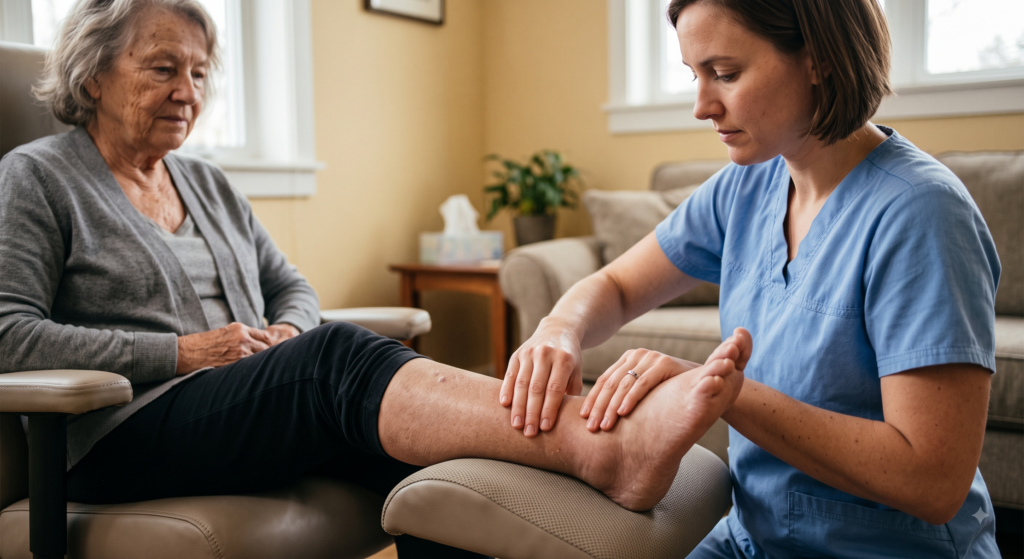
Manual lymphatic drainage (MLD) is a medical therapy performed by specially trained practitioners, consisting of very light, rhythmic, circular hand movements. Its main purpose is to allow the lymph fluid trapped in the swollen area to flow towards the body’s functioning, healthy lymphatic basins.
MLD stimulates the lymphatic capillaries beneath the skin with gentle stretching movements applied to the skin surface. This stimulation increases the contraction rhythm of the lymphatic vessels and helps the accumulated fluid rejoin the systemic circulation.
The differences between conventional massage and manual lymphatic drainage
Manual lymphatic drainage is often confused with general relaxation massage. Yet the two are completely different in technique, target tissue and purpose. Firm conventional massage aimed at the deep muscle tissue can increase vascular permeability and blood flow in the area affected by lymphoedema, making the oedema even worse.
| Criterion | Conventional massage | Manual lymphatic drainage (MLD) |
|---|---|---|
| Pressure applied | Moderate/firm pressure directed at deep tissues and muscles | Very light pressure that only stretches the skin surface |
| Target tissue | Muscles, tendons and blood circulation | Lymphatic capillaries beneath the skin and lymphatic pathways |
| Main purpose | To reduce muscle tension and provide relaxation | To redirect lymph fluid and reduce oedema |
| Risk in lymphoedema | Can increase oedema and tissue damage | Regulates lymphatic flow; safe and therapeutic |
The place of MLD within complete decongestive therapy (CDT)
Although manual lymphatic drainage is a very beneficial method on its own, in the long-term management of lymphoedema it should be applied as part of the holistic approach known as complete decongestive therapy (CDT).
The core components of CDT
- Manual lymphatic drainage: Releasing and redirecting the fluid trapped between the tissues.
- Compression therapy: Special bandages or garments that prevent fluid from refilling the tissues emptied by drainage.
- Skin care: Keeping the skin moisturised and clean to minimise the risk of infection (erysipelas).
- Therapeutic exercises: Special movements that actively support lymphatic flow by working the muscle pump mechanism.
Frequently asked questions
Is there any pain during MLD?
No; manual lymphatic drainage is an extremely gentle, relaxing and painless treatment. No firm pressure that could cause bruising or pain is applied to the skin.
How many sessions of manual lymphatic drainage are needed?
The number of sessions is planned individually according to the stage of the lymphoedema, the area affected and the condition of the tissue. Treatment usually begins with several sessions a week and moves on to maintenance sessions later.
Can I do MLD on myself at home?
Simple “self-drainage” techniques taught to the patient by a specialist physiotherapist or physician can be carried out at home as a supportive measure. However, the main treatment must always be performed by professionals who specialise in the field.
If you are experiencing symptoms of lymphoedema or would like your current condition assessed, it is important to consult a cardiovascular surgeon.