
The Role of Vascular Health in Cellulite Treatment
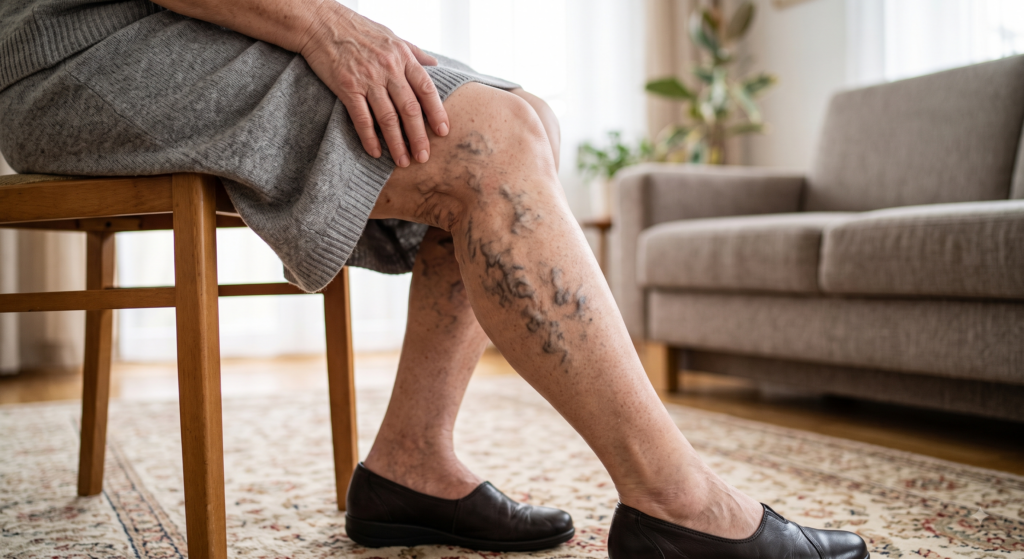
Discover the role of vascular health and lymphatic circulation in cellulite treatment. Ways to reduce oedema and the dimpled appearance of the skin by supporting the microcirculation.
- Circulation and lymphatic flow are important factors in the appearance of cellulite.
- Treatments that support vascular health contribute to tissue nourishment.
- Regular movement and adequate water intake support circulation.
- Avoiding long periods of immobility is beneficial.
- The treatment approach should be planned according to the person's skin and circulatory structure.
Although cellulite is often regarded merely as a cosmetic concern, it is a complex condition rooted in changes in the subcutaneous connective tissue, fat accumulation and the microcirculation. The orange-peel appearance that develops on the legs and thighs is directly linked to insufficient capillary circulation and oedema accumulating between the tissues.
Highlights:
- Cellulite is closely linked not only to the superficial fat tissue but also to the quality of blood and lymphatic circulation.
- Venous insufficiency and disruptions in the lymphatic system create oedema beneath the skin and increase the dimpled appearance.
- Improving circulatory health ensures the oxygenation of the subcutaneous tissues and the removal of metabolic waste.
- Medical assessment and personalised lifestyle adjustments offer sustainable results.
What is cellulite and why does it form?
Cellulite forms when the subcutaneous fat cells are squeezed between the vertical bands of connective tissue (septa) and push upwards, a process accompanied by disorders of the blood and lymphatic circulation. Factors such as genetic predisposition, hormonal changes and a sedentary lifestyle lead to weakening of the connective tissue. Slowing of the blood flow, in turn, prevents the tissues from receiving enough oxygen and sets the stage for oedema.
The relationship between vascular health, the lymphatic system and cellulite
A healthy circulatory system removes metabolic waste at the cellular level and nourishes the tissues. Disruptions in the circulatory system lead to fluid accumulation in the subcutaneous tissues and, over time, to tissue hardening.
Venous insufficiency and tissue oedema
When the veins in the legs struggle to carry blood to the heart, the pressure inside the veins rises. This causes fluid to leak from the capillaries into the tissue spaces, in other words oedema. The accumulated fluid compresses the fat tissue and makes the dimpled appearance on the skin surface more pronounced.
Slowing of lymphatic flow and fibrosis
The lymphatic system is responsible for filtering excess fluid and cellular waste from the body. When the lymphatic circulation slows down, protein-rich fluid accumulates beneath the skin. This accumulation can lead to hardening of the connective tissue (fibrosis) and cause the cellulite stage to advance.
Comparison of cellulite and circulation support methods
The mechanisms of action of the different approaches aimed at reducing the appearance of cellulite and supporting circulatory health are summarised below:
| Approach / method | Mechanism of action | Contribution to vascular health |
|---|---|---|
| Lymphatic drainage | Redirects the fluid accumulated in the tissue spaces into the lymphatic channels. | Eases oedema and relieves the lymphatic circulation. |
| Regular exercise | Stimulates venous return by working the calf muscle pump. | Lowers venous pressure and speeds up blood flow. |
| Adequate water intake | Balances the fluidity of the blood and makes it easier to eliminate toxins. | Supports the microcirculation and tissue hydration. |
| Medical circulatory assessment | Identifies the presence of venous insufficiency or varicose veins. | Enables targeted treatment of underlying vascular conditions. |
Lifestyle tips that support circulation
The basic steps you can take in daily life to keep cellulite under control by protecting your circulatory health are as follows:
- Move regularly: Exercise such as walking, swimming and cycling strengthens leg circulation.
- Avoid long periods of immobility: If you sit or stand for long periods during the day, take short walks at regular intervals.
- Limit sodium intake: Because excessive salt can increase water retention and oedema in the body, take care to eat a balanced diet.
- Alternating showers: Alternating cold and warm water on the legs helps support the elasticity of the vessels.
Frequently asked questions
Does cellulite only occur in overweight people?
No, cellulite can also occur in slim people, regardless of weight. Genetic factors, the structure of the connective tissue and the quality of circulation are the main determinants.
Does varicose vein treatment improve the appearance of cellulite?
Although varicose vein treatment is not a direct treatment for cellulite, it can bring about an indirect improvement in the appearance of the skin because it reduces venous pressure and tissue oedema in the legs.
When should you see a specialist about cellulite and oedema?
If prominent veins, leg pain, a feeling of heaviness and chronic oedema accompany the cellulite on your legs, you are advised to consult a cardiovascular surgeon.
Every person’s skin structure and vascular map is different. For oedema and skin tissue problems of circulatory origin, a personalised approach should be planned following an assessment by a specialist physician.