
Varicose Vein Treatment: Symptoms, Methods and Recovery
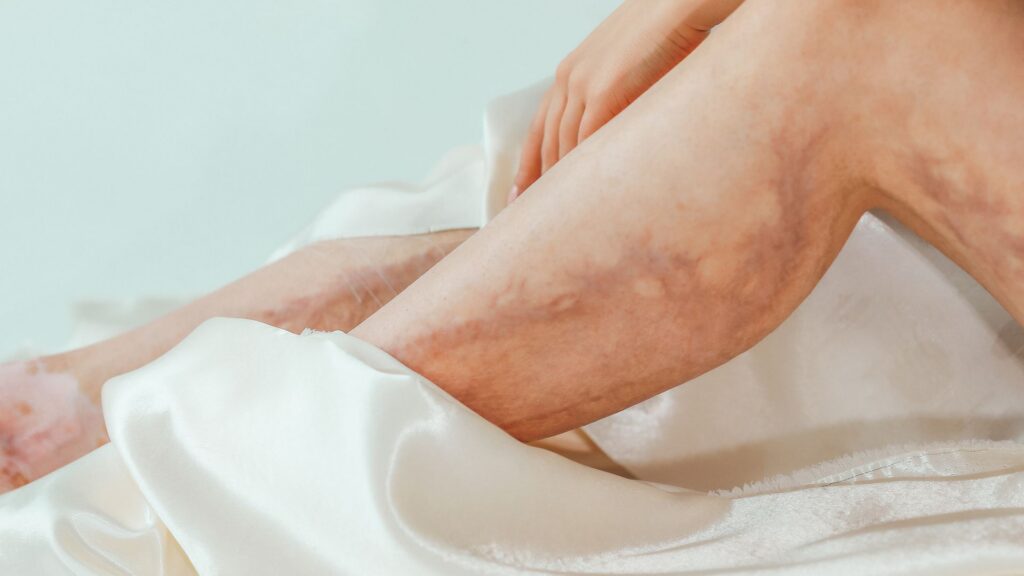
A specialist's summary of varicose vein symptoms, diagnosis with Doppler ultrasound, laser and radiofrequency treatment options and the recovery process.
- Early symptoms should not be ignored
- Doppler ultrasound is the basis of the treatment plan
- Minimally invasive methods are sufficient for most patients
- Compression and walking support recovery
- Regular follow-up reduces the risk of recurrence
Varicose veins are a common circulatory problem caused by the valves in the leg veins not working properly. Although they may look like a cosmetic complaint in the early stages, over time pain, swelling and a feeling of tiredness can reduce quality of life. In this article we summarise, in plain language, the causes of varicose veins, the right diagnostic methods and the current treatment options.
What are varicose veins and why do they form?
Varicose veins are superficial veins that have become enlarged and twisted. When the valves inside the vein can no longer carry blood in one direction towards the heart, the pressure rises; the vein wall weakens and the vein becomes prominent.
Risk factors
A family history, working for long periods standing or sitting, pregnancy, excess weight, inactivity and advanced age increase the risk of varicose veins. They are more common in women because of hormonal influences.
Early symptoms
A feeling of heaviness in the legs, swelling that increases in the evening, itching, night cramps and purple-blue veins becoming visible on the surface are common early signs.
How is an accurate diagnosis made?
A physical examination alone may not be enough. The treatment plan is finalised with detailed imaging that shows at which level the veins are affected.
The importance of Doppler ultrasound
Colour Doppler ultrasound shows the direction of blood flow and any valve insufficiency. Which vein will be treated and which method is suitable are determined by this examination.
Which symptoms should prompt a visit to the doctor?
Even mild symptoms can be progressive. If there are prominent veins, persistent swelling, skin discolouration or wounds that do not heal, an assessment without delay is recommended.
Current treatment methods
Today, minimally invasive methods take precedence over open surgery for most patients. The choice of method is personalised according to the diameter and location of the vein and the patient’s general condition.
Endovenous laser treatment
Laser energy is delivered through a thin fibre placed inside the vein; the problem vein closes and is gradually eliminated by the body. The procedure is usually performed under local anaesthesia.
Radiofrequency ablation
Instead of a laser, a radiofrequency catheter that generates heat is used. It is a comfortable option with high success rates; most patients can return to daily life the same day.
Foam sclerotherapy
Particularly for thinner, more superficial veins, a medicated foam is injected into the vein to close it. It can be combined with laser or radiofrequency.
Recovery and follow-up after treatment
Recovery after minimally invasive procedures is usually quick. Wearing compression stockings for a short period, walking and regular check-ups support long-term success.
What should you pay attention to in the first few days?
Avoid strenuous sport and long periods of immobility. Wear the compression stockings for the period recommended by your physician; raising the legs helps reduce swelling.
Long-term prevention
Regular walking, weight control, not staying in the same position for long periods and choosing suitable footwear reduce the risk of varicose veins recurring. It is important not to miss check-ups.
Frequently asked questions
Short answers to the questions patients ask most often:
Is varicose vein treatment permanent?
A vein treated with the right method closes permanently. However, problems can develop in new veins over time; lifestyle and follow-up reduce this risk.
Will there be a scar after the procedure?
Because the incisions in minimally invasive methods are only millimetres in size, the risk of a noticeable scar is low. The cosmetic result is very satisfying for most patients.