
Cellulite Treatment
Treatments that support the subcutaneous tissue and circulation, aiming for a smoother skin appearance through a personalised, stage-based plan.
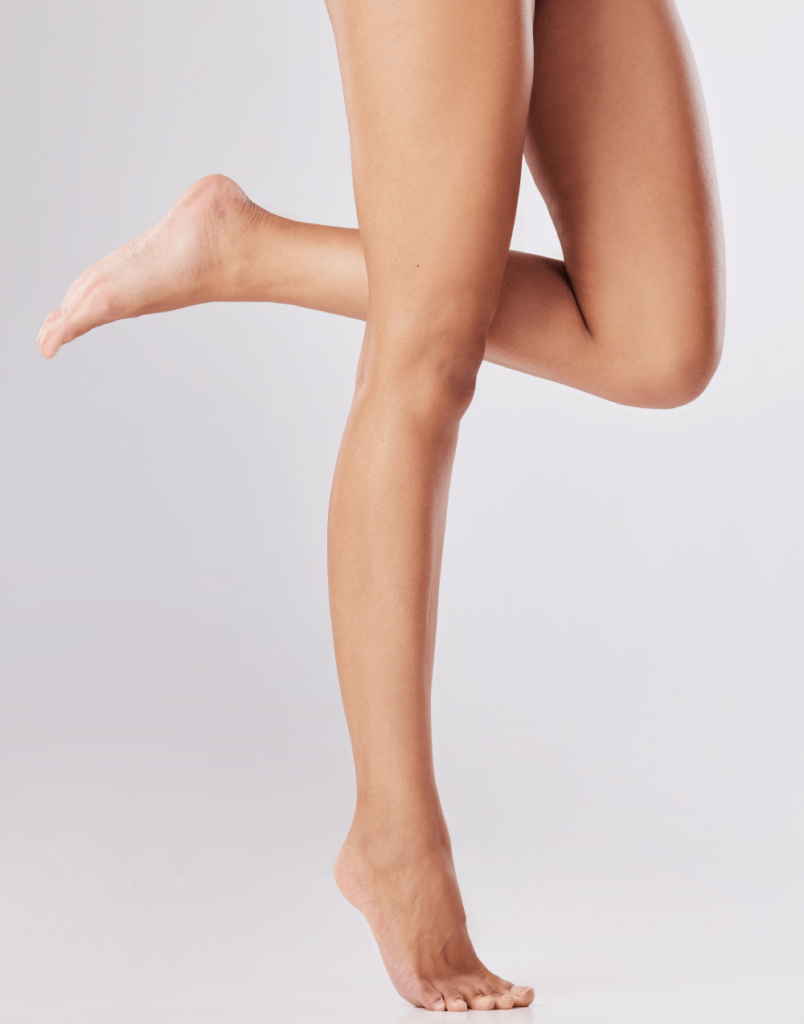
- Supports skin quality. Tissue Revitalisation
- Relief from localised swelling and oedema. Circulation Support
- Personalised to your needs. Combined Protocol
- Gradual results over sessions. Visible Improvement
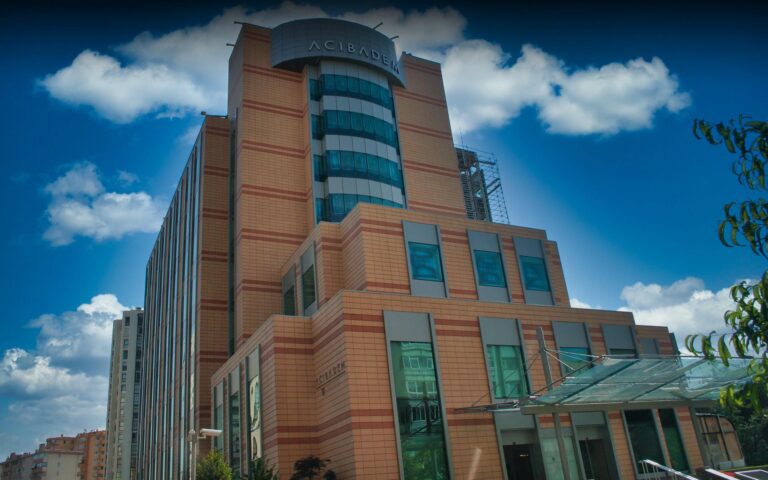 Istanbul
Acıbadem Kozyatağı Hospital
Get directionsTreatments that support the subcutaneous tissue and circulation, aiming for a smoother skin appearance through a personalised, stage-based plan.
Cellulite treatment is a medical and aesthetic process that aims to minimise the dimpled appearance created when the fat tissue beneath the skin is pushed towards the surface between the fibres of the connective tissue, and to regulate the local microcirculation. The main goal is to improve tissue quality while bringing the fluid retention and circulatory disorders beneath the skin under control. Closely linked to a person’s circulatory system and hormonal balance, this process requires a long-term, multidisciplinary approach.
Factors that trigger the formation of cellulite
Cellulite is a structural change in the topography of the skin that occurs when the fat cells beneath the skin enlarge and the fibrous bands (septa) that hold these cells pull the skin downwards. As the fat cells press upwards, the hardened bands of connective tissue try to hold the skin in place; these opposing forces create an uneven surface on the skin, commonly known as orange-peel skin.
Genetic predisposition, hormonal changes and lifestyle factors play a combined role in its development. In particular, changes in the connective tissue brought about by the hormone oestrogen mean that this condition is far more common in women than in men. As the skin loses its elasticity and becomes thinner with age, the existing appearance also becomes more pronounced. However, it is widely observed that cellulite is not simply a weight problem; it can also appear in slim individuals as a result of weak connective tissue.
Slowing of the blood flow in the leg and hip area means that the tissues are not adequately oxygenated and metabolic waste products cannot be removed and cleared from the system. This disruption of circulation further damages the structure of the connective tissue and causes the cellulite stage to advance. Although known as a cosmetic concern, this picture should in fact be assessed as a reflection of tissue health and the quality of the microcirculation.
The difference between cellulitis (infection) and cellulite
Although the word cellulite is commonly used to describe a cosmetic irregularity of the tissue, the medical term “cellulitis” describes a serious bacterial infection that can be life-threatening. Cellulite, which is addressed for aesthetic reasons, is a structural condition arising from the relationship between fat tissue and connective tissue, and it is not contagious. Cellulitis, on the other hand, is a medical condition characterised by bacteria reaching the deep layers of the skin and the soft tissue beneath it; it is an inflammatory process requiring urgent treatment.
In cellulitis, there is marked redness in the affected area, increased warmth to the touch, severe pain and oedema. Because the infection can spread rapidly, systemic signs such as fever and chills may also be present. Forms affecting the delicate tissues around the eye are classified as life-threatening because they carry a risk of loss of vision or of the infection spreading to brain tissue.
From the perspective of cardiovascular surgery, the differential diagnosis of redness and swelling in the legs is critically important. While cosmetic irregularities can be managed with circulatory support and mechanical methods, in cases of cellulitis caused by bacterial infection medical treatment must be started without delay. As the integrity of the skin breaks down more easily in people with circulatory insufficiency, the relationship between the two conditions must be examined carefully by a specialist physician.
When are antibiotics necessary?
Whether antibiotics are used as part of cellulite treatment depends on whether the condition present is a cosmetic deformity or a bacterial infection. In treatments aimed at removing the orange-peel appearance for aesthetic reasons, antibiotics have no therapeutic effect. In such cases, treatment is carried out with mechanical or thermal methods focused on speeding up circulation, increasing collagen production and shrinking the fat cells.
If the patient has cellulitis, which presents with redness, increased warmth and tenderness to the touch, a course of antibiotics prescribed by a physician is essential in order to eliminate the bacterial cause. To prevent the infection spreading through the body via the lymphatic channels or the bloodstream, medication at an appropriate dose is usually the first-line treatment. The duration of medication is determined individually according to the severity of the infection and the patient’s general health.
In deciding on the use of antibiotics, laboratory tests may be used alongside the findings of the physical examination when considered necessary. Early diagnosis is critical to prevent tissue damage from becoming permanent and the infection from progressing to sepsis. Taking the medication regularly and monitoring the course under a physician’s supervision are essential both for clearing the infection and for correcting the underlying skin barrier problems that allowed the infection to take hold.
The role of lymphatic flow in tissue health
Healthy lymphatic drainage and a well-functioning circulatory system are fundamental for nourishing the subcutaneous tissues and maintaining a smooth appearance. Disruption of the lymphatic flow causes protein-rich fluid to accumulate between the tissues, triggering oedema. This accumulated fluid presses on the connective tissue and makes the cellulite appearance deeper and more pronounced; at this point the principles of professional lymphoedema management provide an important support mechanism for improving tissue quality.
Venous insufficiency, seen particularly in the lower limbs, leads to increased venous pressure and sets the stage for fluid leaking from the capillaries into the tissues. This chronic process speeds up the development of cellulite and limits the success of cosmetic treatments. The influence of vascular health should not be overlooked in the treatment process, and approaches that increase tissue oxygenation should be given priority. When vascular health improves, the metabolic rate of the tissues increases and the smoothing of the surface speeds up.
Regulating the microcirculation and optimising lymphatic flow not only reduces existing cellulite but also delays the formation of new cellulite. Preserving the elasticity of the vessels and the healthy function of the valves makes the skin look firmer and more vibrant. For this reason, rather than focusing only on the surface tissue, the fight against cellulite should take a comprehensive approach that also includes the deep circulatory pathways.
How is cellulite treatment planned?
Because every patient’s tissue structure, fat distribution and circulatory status are different, successful cellulite treatment must be personalised following a specialist examination. The process begins by determining the patient’s cellulite stage (clinical grading from stage 1 to 4) and the degree of loss of skin elasticity. During the examination, the patient’s general medical history, hormonal status and any accompanying vascular disease are assessed and the most appropriate technological and medical methods are chosen.
The presence of lipoedema in the legs, which can be confused with cellulite or make it worse, must always be examined. The presence of chronic conditions such as lipoedema or lymphoedema directly affects the course of treatment and the energy levels to be used. Combined approaches, that is, using methods such as tissue massage, radiofrequency, ultrasound or laser together, can often produce more effective results than single methods.
When preparing the treatment plan, a balance must be struck between the patient’s expectations and medical reality. The number of sessions, the intervals between them and the supportive measures to be carried out at home are set out in a schedule. This plan is built on a strategy that aims not only to improve the appearance but also to achieve long-term results by protecting tissue health.
Why does preseptal cellulitis require urgent attention?
Preseptal cellulitis, defined as an acute infection of the eyelid and the soft tissues around the eye, is a medical emergency because of its potential to spread rapidly. This condition shares only a similarity of name with the cosmetic cellulite seen on the legs or hips; its clinical character and risks are completely different. It usually begins with an episode of sinusitis, an insect bite or a small wound on the skin becoming infected, and can lead to rapid tissue destruction.
At the diagnostic stage, physical examination is critically important for determining whether the infection has spread to the tissues behind the eyeball (the orbital region). If there are no signs such as restricted eye movement or reduced visual acuity, treatment is usually carried out on an outpatient basis with systemic antibiotics. However, in children and people with weakened immune systems, the condition may need to be treated in hospital with intravenous medication.
Suppressing the inflammation and eliminating the source of infection are essential during treatment. Clinical situations of this kind show how wide a spectrum the term cellulitis covers and how critical a specialist perspective is for differential diagnosis. If preseptal infections are not treated successfully, they can progress to orbital cellulitis, which can cause permanent damage to vision and may require surgical drainage and far more aggressive intervention.
What to expect during recovery
The results expected after modern cellulite treatment methods appear gradually as the sessions progress and are shaped by the speed at which the tissue repairs itself. After most treatments the person can return to daily life immediately, but depending on the depth of the method used, mild bruising, redness or a temporary feeling of swelling in the skin is considered normal. These effects usually subside and disappear on their own within a few days.
The speed of recovery varies depending on how invasive the chosen method is and on the person’s metabolic rate. Because tissue repair and the synthesis of new collagen fibres take time, the first noticeable positive changes are usually seen after a few weeks. Patience and adherence to the agreed treatment protocol are necessary to achieve the smoother appearance that is the goal.
Throughout the process, drinking plenty of water and taking gentle walks make it easier for the broken-down fat cells and the oedema to be cleared from the body via the lymphatic system. Expectations should be kept realistic; it should be remembered that the aim of treatment is not to make the skin completely flawless, but to improve its appearance noticeably by optimising the tissue structure. Completing the number of sessions recommended by the physician is critical for the lasting success of the results.
Lifestyle changes for lasting results
Maintaining the gains achieved through cellulite treatment over the long term depends largely on lifestyle habits after treatment and on keeping the circulatory system active. Leading an active life and exercising regularly keep the blood circulation and lymphatic flow constantly active and prevent fluid from accumulating between the tissues. Strengthening the muscle tissue keeps the layer of fat and skin above it firmer and prevents the dimpled appearance from returning.
Small improvements in diet make a big difference in maintaining tissue elasticity. Keeping water intake at an adequate level in particular is essential for hydrating the cells of the connective tissue. Limiting salt intake reduces the body’s tendency to retain water and prevents cellulite from increasing as a result of oedema. Eating foods rich in antioxidants supports the collagen structure and increases the skin’s resistance to the signs of ageing.
For sustainable results, the physician’s recommendations should be followed fully and periodic check-ups should not be missed. Staying away from habits that have a negative effect on the vascular structure, such as smoking and excessive caffeine consumption, reinforces the success of treatment. It should be remembered that cellulite management is not a one-off procedure but a lifestyle discipline that puts bodily health and circulatory balance at its centre.
The most appropriate treatment approach is determined by Op. Dr. Arzu Ercan through a physical examination, following a detailed assessment of the local circulation and tissue structure.
Frequently Asked Questions
Is cellulite treatment completely permanent?
How long the results of treatment last depends on the person’s lifestyle, eating habits and genetic make-up; when supported by a healthy diet and regular exercise, the improvement can continue for a long time.
At what stage should treatment begin?
Treatment can begin at any stage at which the appearance causes cosmetic concern, but treatment carried out at the early stages, before the tissues have become too deformed, usually produces results much more quickly.
Is there any pain during treatment?
The great majority of modern technological treatments are carried out with minimal discomfort; where considered necessary, local soothing methods can be used to ensure the patient’s comfort.
Do varicose veins prevent cellulite treatment?
The presence of varicose veins is not a direct obstacle, but the type and severity of the varicose veins must be assessed beforehand; the treatment plan should be modified to suit the venous condition, with vascular health given priority.
Sources
Benefits of Cellulite Treatment
Possible benefits vary from person to person and depend on your health profile; the table below summarises the general aims of the treatment.
| Benefit | What This Means for You |
|---|---|
| Tissue revitalisation | Aims to support the quality of the subcutaneous tissue. |
| Circulation support | Supporting local blood circulation can reduce the feeling of puffiness. |
| Personalised protocol | The frequency and method are set according to your skin type. |
| Gradual visible results | Results emerge progressively over the course of the sessions. |
- Get a Second Opinion An independent specialist assessment of your current diagnosis and treatment. Get Started
- Online Doctor Consultation Meet via a secure video call before visiting the clinic. Schedule a Call
- Ask on WhatsApp Send your questions directly to our team. Start Chatting
- Free Preliminary Assessment Share your situation and let's map out a personalised plan together. Apply