Lipoedema Treatment
A personalised, holistic approach to lipoedema, from accurate diagnosis to treatment of the disproportionate, painful and tender fat build-up in the legs and arms.
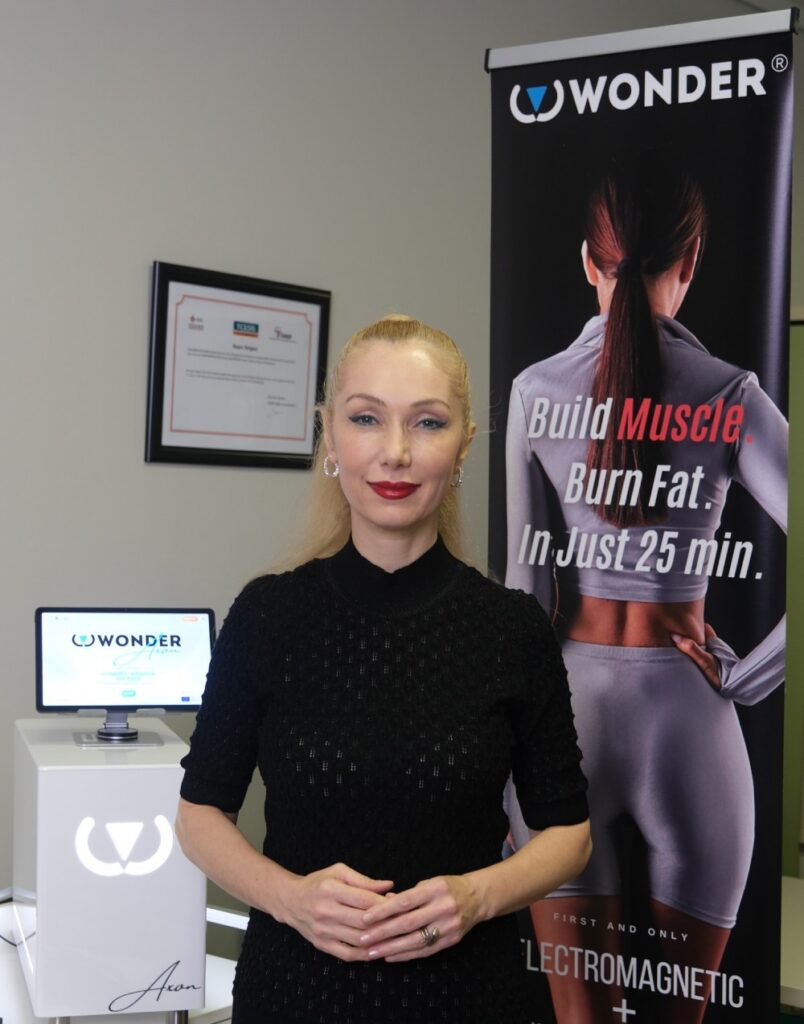
- No incisions, fast recovery. Incision-Free
- Controlled effect on fat and muscle tissue. Targeted Energy
- Practical, same-day treatment. Short Sessions
- A clear roadmap after examination. Personalised Plan
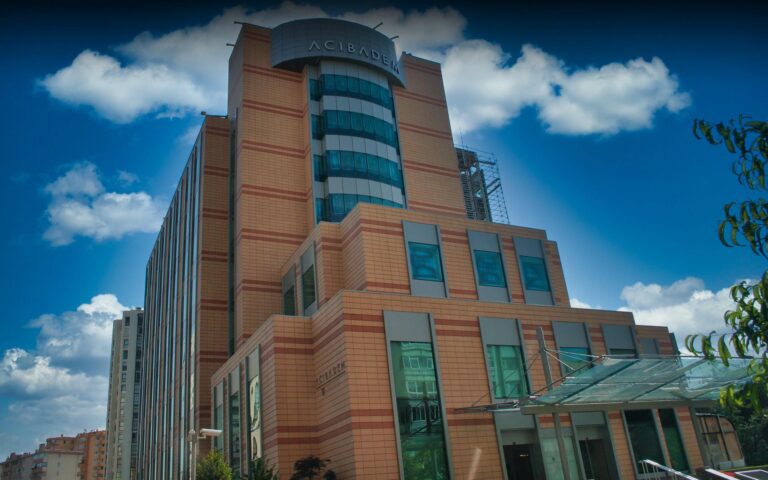 Istanbul
Acıbadem Kozyatağı Hospital
Get directionsA personalised, holistic approach to lipoedema, from accurate diagnosis to treatment of the disproportionate, painful and tender fat build-up in the legs and arms.
Lipoedema treatment (also spelled lipedema) covers the medical processes aimed at bringing under control the abnormal fat deposits, resistant to diet and exercise, that usually appear symmetrically in the legs and sometimes in the arms. This chronic condition is defined not merely as a cosmetic concern, but as a health problem accompanied by tissue tenderness and pain. The modern methods used to improve quality of life aim to protect tissue health by supporting circulation.
The changes lipoedema causes in body tissue
Lipoedema, often referred to in the medical literature as painful fat syndrome, is a chronic condition characterised by the abnormal and disproportionate growth of fat cells. A symmetrical build-up of fat is seen in the lower half of the body, in the hips, thighs and legs, while a typical distinguishing feature is that the area below the ankles is unaffected. This accumulated fat tissue differs from normal, metabolically active body fat; achieving meaningful slimming in these areas through calorie restriction or intense physical activity is very difficult.
At the tissue level, capillary fragility is very high in areas affected by lipoedema. This means that people bruise easily even after very minor knocks. Over time, the growing fat lobules press on the surrounding nerve fibres and lymphatic vessels, leading to chronic pain, hypersensitivity to touch and a feeling of heaviness. In addition to genetic predisposition, hormonal changes, particularly fluctuations in oestrogen levels, are considered to play an important role in triggering or advancing the condition.
Which specialty treats lipoedema?
Because of the complex effects of the condition on the venous and lymphatic systems, lipoedema treatment is primarily an area covered by the diagnosis and follow-up processes of cardiovascular surgery specialists. At the diagnostic stage, in addition to physical examination, imaging methods such as Doppler ultrasound are used to assess the structure of the vessels and the speed of blood flow. The main aim of this process is to distinguish lipoedema from other circulatory disorders with similar symptoms, such as lymphoedema or venous insufficiency.
Management of the condition is carried out with a multidisciplinary approach in clinics specialising in lymphology. While cardiovascular surgeons coordinate the process, physical medicine and rehabilitation specialists and nutrition advisers may also be involved in the treatment plan. Consulting the right specialty is vital for clarifying the stage of the condition and preventing inappropriate treatments. A process managed under the supervision of a specialist physician both relieves existing symptoms and helps slow the progression of the condition to more advanced stages.
How is lipoedema treatment planned for the individual?
The treatment process is built on fully personalised protocols that take into account the patient’s clinical condition, the stage of the disease and any accompanying health problems. The first step aims to protect tissue health and reduce oedema with conservative, non-surgical methods. At this stage, the patient’s body composition is analysed and the distribution of fat tissue and the state of muscle mass are assessed in detail. The person’s daily habits and physical capacity are the key factors that determine the intensity and frequency of the stimulation to be applied.
Dietary adjustments are an integral part of lipoedema management; an anti-inflammatory diet programme aimed at reducing inflammation supports the treatment. Throughout the process, the patient’s adherence and regular attendance at follow-up appointments are critical for the improvement achieved to be lasting. The treatment plan is not static; the intervals between sessions and the technological stimulation methods are updated periodically according to the response of the tissues and changes in pain scores. This holistic approach aims not only for localised slimming, but also to minimise the feeling of heaviness and fatigue in the legs.
The effects of non-surgical approaches on tissue health
The advanced technological systems used in lipoedema management today make it possible to improve tissue composition without surgical intervention. Neuromuscular stimulation and electromagnetic stimulation technologies reach the deep muscle layers and produce 360-degree muscle contractions. This stimulation increases muscle mass while also raising the basal metabolic rate (BMR). The increase in metabolic rate supports the body’s natural fat-burning capacity and helps suppress the lipoedematous tissue.
Radiofrequency technology accompanies this process by tightening the tissue and increasing collagen synthesis. These systems, which can be used without a body mass index (BMI) restriction, activate the microcirculation between fat cells. Thanks to deep tissue penetration, lymphatic flow is accelerated and the drainage of fluid that has accumulated in the spaces between cells is made easier. This technological synergy increases the resilience of the subcutaneous connective tissue, contributes to a smoother appearance of the skin and to measurable reductions in leg volume.
Treatment methods by stage of the condition
The progression of lipoedema is classified into four main stages, and the treatment strategy chosen differs for each stage. In stage 1, although the skin surface appears smooth, a lumpy fat tissue can be felt beneath it; at this stage the aim is to protect tissue quality and halt progression. In stage 2, an “orange peel” appearance of the skin becomes evident and larger nodules begin to form. At this stage, the intensity of stimulation is increased with the aim of mobilising the deep tissue.
In stage 3, large masses of fat and sagging develop and begin to restrict the mobility of the knee and hip joints. Stage 4, the most advanced stage, sees lymphatic system disorders added to the lipoedema picture, making it necessary to include lymphoedema treatment methods in the process. In these advanced stages, the dose of pressure therapies and technological stimulation is carefully adjusted to relieve the lymphatic load. At every stage, choosing a pressure and frequency appropriate to the resilience of the tissue is the main criterion that determines the safety and effectiveness of treatment.
The risks of untreated lipoedema
If left untreated, lipoedema follows a progressive course and can have serious negative effects on body mechanics and general health. The increasing fat tissue exerts mechanical pressure on the veins over time, increasing the risk of chronic venous insufficiency. This can become complicated not only by fat accumulation in the legs, but also by vein dilation and the formation of varicose veins. In addition, damage to the lymphatic system from the heavy load placed on it can cause the accumulation of fluid in the tissues to become permanent.
Beyond the physical risks, the excessive increase in leg volume disrupts the walking pattern and causes early degeneration of the knee, hip and ankle joints. Restricted mobility can lead to patients becoming isolated from social life and to the development of psychosocial problems. In advanced cases, the breakdown of the microcirculation beneath the skin weakens skin integrity and leaves it vulnerable to infection. For this reason, obtaining a professional assessment while symptoms are still mild is a critical step in preventing tissue damage that is difficult to reverse.
What are the main benefits of lipoedema treatment?
Lipoedema treatment carried out using modern clinical approaches offers many-sided advantages, both functional and aesthetic. The primary benefit of treatment is a marked reduction in chronic localised pain and tissue tenderness. Revitalising the basal metabolism through muscle stimulation increases the body’s energy expenditure and supports the metabolising of localised fat tissue. While the tissue is tightened during this process, an improvement consistent with the principles of cellulite treatment, which addresses the appearance of the skin, is also observed.
From a functional point of view, strengthening the pelvic floor muscles and regulating local blood circulation help patients feel more energetic. The increase in muscle tone also makes a complementary contribution to rehabilitation after any injuries. Beyond aesthetic concerns, the reduction in lymphatic load removes the feeling of heaviness in the legs and restores freedom of movement. Restoring tissue health provides a protective shield against systemic circulatory disorders in the long term.
How is recovery managed after the procedure?
Non-surgical technological systems allow patients to return to their daily lives immediately, without any restrictions. After the procedure there may be a feeling in the tissues similar to that after intense exercise, but this passes on its own within a short time. To support recovery, an active lifestyle that keeps the lymphatic flow going should be adopted. Low-intensity activities such as walking speed up the drainage of the fluid mobilised from the tissues after stimulation.
On the physician’s advice, compression garments with an appropriate pressure may be needed to support lymphatic drainage. These garments help stabilise the spaces between the tissues and prevent oedema from forming. In terms of diet, limiting salt intake and avoiding foods that increase fluid retention reinforce the success of treatment. Regular follow-up appointments should not be neglected, as they allow the process to be monitored and the protocol to be fine-tuned when necessary. Treatment results supported by a healthy lifestyle keep the tissues far more resilient and in better condition.
A specialist clinical assessment is essential for the diagnosis of lipoedema and the creation of a personalised treatment plan. Suitability is determined by Op. Dr. Arzu Ercan following an examination and clinical analysis.
Frequently Asked Questions
Are there public hospitals that treat lipoedema?
Lipoedema can be diagnosed and treated in the cardiovascular surgery or physical medicine departments of university hospitals and training and research hospitals.
Can lipoedema be resolved with diet and exercise alone?
Lipoedematous fat tissue is resistant to conventional diet and exercise; although these protect general health, they cannot completely eliminate the diseased tissue without medical treatment.
Is there any pain during treatment?
The modern stimulation and radiofrequency technologies used are comfort-focused; although intense muscle activity may be felt during the procedure, no unbearable pain is expected.
Sources
- Get a Second Opinion An independent specialist assessment of your current diagnosis and treatment. Get Started
- Online Doctor Consultation Meet via a secure video call before visiting the clinic. Schedule a Call
- Ask on WhatsApp Send your questions directly to our team. Start Chatting
- Free Preliminary Assessment Share your situation and let's map out a personalised plan together. Apply