
Varicose Vein Treatment
Clinical evaluation, imaging, and personalized modern treatment options for internal and external varicose veins.
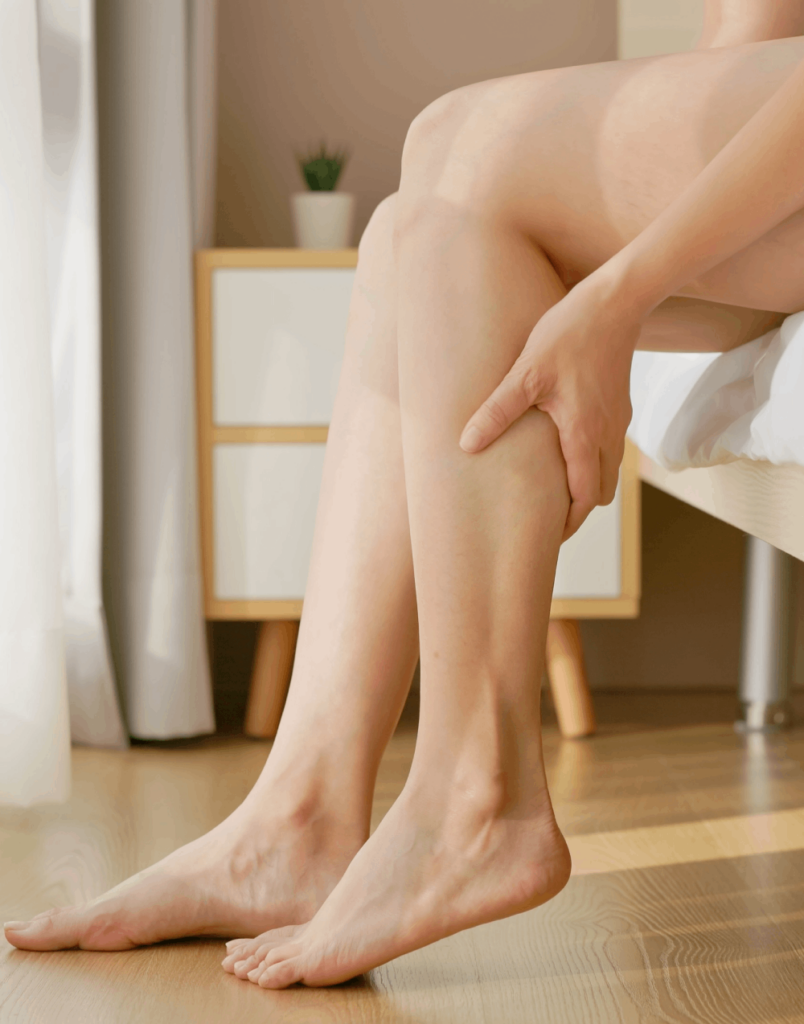
- Accurate diagnosis with Doppler. Comprehensive Assessment
- Laser, foam and combined approaches. Modern Methods
- Both appearance and comfort. Aesthetics + Function
- Regular check-ups after treatment. Follow-up and Support
 Istanbul
Acıbadem Kozyatağı Hospital
Get directionsClinical evaluation, imaging, and personalized modern treatment options for internal and external varicose veins.
Varicose vein treatment refers to the medical management of enlarged, twisted leg veins caused by faulty vein valves, using methods that close, remove or shrink the affected vein segments. Approaches range from compression and symptom control to catheter-based procedures and injections, and varicose vein care is planned from examination findings and ultrasound mapping rather than appearance alone.
What does Varicose Vein Treatment involve?
Varicose Vein Treatment involves addressing veins that carry blood backwards, closing or removing selected veins, and treating smaller surface veins when this is clinically appropriate, following the pattern of disease found in each leg. The everyday term “varicose veins” describes one visible part of chronic venous disease, a condition in which the one-way valves inside leg veins no longer close properly. When this happens, blood can flow back down the leg instead of returning towards the heart, a pattern known as venous reflux, and pressure within the superficial veins rises.
The aims of treatment may include easing heaviness, aching, swelling, itching or cramping, reducing the risk of bleeding from a fragile surface vein, and supporting healing in skin changes or ulceration linked to venous disease. Improvement in the appearance of visible veins can accompany treatment, but it is not the only consideration.
Treatment planning follows a clinical examination and duplex ultrasound assessment. Not every visible vein needs the same intervention: some veins are the source of reflux, others are branches affected by it, and some function normally and are better left alone. Treatment can relieve symptoms related to the veins that are treated, though it does not prevent every future vein problem, and leg symptoms are not always caused by veins.
Varicose vein symptoms that need medical assessment
Common symptoms include visibly twisted or bulging veins, a sense of heaviness, aching, throbbing, itching along a vein, ankle swelling and night cramps, often worse after long periods of standing or towards the end of the day. The relationship between appearance and discomfort varies: some people have prominent veins with few complaints, while others describe significant discomfort or develop skin changes despite relatively modest surface veins.
Longer-standing venous disease may show itself in the skin of the lower leg. Brown discolouration around the ankle, eczema-like irritation, thickening or hardening of the skin, and a wound that is slow to heal can all point to chronic venous problems and deserve assessment. Many varicose veins remain stable for years, so these signs are a reason for review rather than an expected outcome.
Some situations call for prompt medical attention: sudden swelling of one leg, severe or rapidly worsening pain, a hot, tender, red cord along a vein, bleeding from a vein, unexplained breathlessness, chest pain or coughing up blood. Such symptoms cannot be interpreted from a description alone and need examination and appropriate tests.
What causes varicose veins?
Varicose veins typically develop when the valves in leg veins weaken or the vein wall stretches, allowing blood to pool under the influence of gravity and the vein to widen over time. Once a valve no longer closes, the column of blood above it adds pressure to the segment below, and branches connected to that segment may also enlarge.
Several factors make this more likely without making it certain: a family tendency, pregnancy, increasing age, occupations involving prolonged standing or sitting, higher body weight, a history of blood clots in the leg, and reduced calf-muscle pumping in people with limited mobility. Visible veins are not purely a cosmetic matter for everyone, yet how prominent a vein looks does not reliably indicate how severe the underlying reflux is.
Leg pain, swelling and skin changes can also arise from arterial disease, musculoskeletal problems, lymphatic conditions or nerve-related causes. Assessment helps separate these possibilities, which is one reason self-diagnosis based on appearance is unreliable.
How are varicose veins diagnosed before treatment?
Diagnosis usually combines a clinical history and leg examination with duplex ultrasound when treatment is being considered. The clinician asks about symptoms, their pattern through the day, previous clots or vein procedures, pregnancies, medicines, mobility and skin problems, then examines the legs with the patient standing.
Duplex ultrasound uses sound waves rather than ionising radiation, and most people find the examination comfortable, although pressure from the probe over a tender area can be felt. It maps the anatomy of the superficial and deep veins, shows the direction and timing of blood flow, measures vein diameter and identifies where reflux begins. This mapping matters because it helps locate the source of the problem, allows veins that are still working appropriately to be preserved, and guides the choice of technique according to anatomy rather than surface appearance.
Findings from Doppler ultrasound are interpreted alongside other factors, including previous thrombosis, pregnancy status, medication such as anticoagulants, general health and the presence of skin damage or an ulcer. An imaging result on its own does not determine treatment; it informs a discussion about whether intervention is appropriate and which approach suits the individual.
Can varicose veins be treated without surgery?
Many refluxing veins can be managed with minimally invasive endovenous procedures rather than traditional open surgery, although suitability depends on ultrasound findings, the symptoms present and the anatomy of the vein. Options for non-surgical vein treatment are usually carried out through a needle puncture or very small skin openings, commonly under local anaesthesia.
Endovenous laser ablation and radiofrequency ablation are heat-based catheter techniques. A thin fibre or catheter is passed inside the target vein under ultrasound guidance, and controlled thermal energy causes the vein wall to seal. Cyanoacrylate adhesive closure is a non-thermal alternative used in selected anatomy, in which a medical adhesive holds the vein walls together; it suits some patterns of disease but is not automatically preferable to thermal methods.
Ambulatory phlebectomy may be used to remove bulging tributary veins through very small skin openings, and ultrasound-guided foam sclerotherapy can be considered for selected veins, tortuous branches or residual veins after another procedure. These methods are often combined according to the map of the leg.
Such procedures are frequently performed as day treatments, and the procedure itself commonly takes between 30 and 60 minutes depending on how many veins are treated and which method is used. Limitations should be discussed in advance: bruising, tenderness along the treated vein, temporary numbness from nerve irritation, skin pigmentation, localised inflammation and, less often, clot-related complications can occur, and follow-up ultrasound may be advised. Not every leg is suitable, and some patterns of disease respond better to one technique than another.
Vein removal and sclerotherapy explained
Varicose vein removal can mean physically removing bulging surface tributaries through phlebectomy, or closing a diseased vein so that venous return is redirected into healthier pathways. In most assessed cases the circulation adapts after a superficial vein is closed or removed, because other veins continue to carry blood back towards the heart, but this depends on the deep veins working adequately, which is checked on ultrasound before treatment.
Sclerotherapy is an injection treatment in which a solution is introduced into a targeted vein with a fine needle. The solution irritates the vein lining so that the walls stick together and the vein gradually closes and is absorbed. Liquid sclerotherapy is generally used for very small surface veins, while foam, created by mixing the agent with gas, may be considered for larger selected veins because it maintains contact with the vein wall; there is no single diameter that decides this.
Spider veins, also called telangiectasias, and larger varicose tributaries are not managed identically, and treating surface veins without addressing underlying reflux can lead to disappointing results. Treated veins usually fade gradually, and more than one session is sometimes needed. Possible outcomes to discuss during consent include brown pigmentation along treated veins, fine new red vessels known as matting, tenderness and local inflammation.
Do varicose vein socks help?
Compression stockings may reduce symptoms such as aching, heaviness and ankle swelling for some people, but they do not repair incompetent valves or remove established varicose veins. They work by supporting the calf-muscle pump and limiting pooling while they are being worn.
A clinician may advise a particular compression class, size, wearing schedule or period of use after a procedure, and this advice differs according to circulation, skin condition and the technique used. Compression is not suitable for everyone; where significant peripheral arterial disease is present, strong compression can be harmful, so choosing firm stockings without assessment is unwise.
Alongside compression, simple measures may help symptoms: regular walking supports calf-muscle pumping, breaking up long periods of standing or sitting where possible, and elevating the legs when this has been recommended. These measures support comfort rather than guaranteeing that no new veins will appear.
Do varicose vein treatment creams work?
Creams marketed for varicose veins do not close refluxing veins, restore damaged valves or remove established varicose veins. Some preparations may feel soothing or improve dry skin, which can make itching more tolerable, but the mechanical problem inside the vein is unaffected by a topical product.
Moisturisers are often useful for the dry, flaky skin that accompanies chronic venous disease. However, persistent itching, a spreading rash, brown discolouration, tenderness or an open wound should be assessed, since these may reflect venous disease, contact dermatitis or another skin condition requiring different care. Some topical products can themselves cause skin sensitivity.
Home measures such as regular movement, weight management where relevant, leg elevation when advised and prescribed compression can ease symptoms, but they are not a substitute for assessing suspected venous reflux. Pain, sudden swelling, bleeding from a vein, skin breakdown or a painful red cord-like vein should not be managed with a cream alone.
Recovery after a vein procedure
Recovery varies according to the method used, the number and position of the veins treated, individual health, and whether phlebectomy, thermal ablation, adhesive closure or sclerotherapy was performed. Many minimally invasive procedures allow discharge on the same day, and patients are generally encouraged to walk afterwards when their clinician agrees it is appropriate.
Mild bruising, a pulling sensation along the treated vein, tenderness, local tightness or temporary skin discolouration can occur and usually settle. The treating team provides technique-specific guidance on activity, bathing, compression use and sun exposure, since recommendations differ between methods. Timescales for strenuous exercise, long-distance travel and returning to work are individualised rather than fixed.
A vein that has been successfully treated commonly stays closed, yet new varicose veins may appear elsewhere over time because the underlying predisposition persists. Follow-up appointments allow the result to be checked. Increasing pain, marked swelling, bleeding, fever, spreading redness, or breathlessness and chest pain should prompt contact with the clinical team without delay.
Whether any intervention is appropriate, and which technique fits a particular leg, is decided after examination and ultrasound assessment by Op. Dr. Arzu Ercan.
Frequently asked questions
How long does varicose vein treatment take?
The procedure itself is often completed in 30 to 60 minutes, depending on the method used and the number of veins addressed. Assessment, ultrasound mapping, preparation and follow-up are separate parts of the overall care pathway.
Is varicose vein treatment painful?
Local anaesthesia is commonly used for minimally invasive procedures, so discomfort during treatment is often limited. Sensations such as pressure, stinging from injections, pulling or temporary tenderness vary by technique and from person to person.
Can varicose veins come back after treatment?
A successfully treated vein commonly remains closed or removed, but new varicose veins can develop in other areas over time. Family tendency, pregnancy, weight, occupation and the underlying pattern of venous disease all influence the likelihood of recurrence.
When is varicose vein surgery needed?
An intervention may be considered when symptoms, documented reflux, skin changes, bleeding, ulceration or repeated vein inflammation justify treatment and the vein anatomy is suitable. Duplex ultrasound together with clinical examination guides that decision.
Can varicose veins be treated at home?
Walking, avoiding prolonged immobility, elevating the legs when appropriate and using prescribed compression may ease symptoms for some people. Home measures do not close damaged valves, and urgent symptoms require medical assessment.
When should a varicose vein be assessed urgently?
Sudden leg swelling, severe or rapidly increasing pain, a hot tender red vein, bleeding, chest pain, shortness of breath or coughing up blood need prompt medical assessment, as these symptoms can have causes beyond uncomplicated varicose veins.
References
Benefits of Varicose Vein Treatment
Possible benefits vary from person to person and depend on your health profile; the table below summarises the general aims of the treatment.
| Benefit | What This Means for You |
|---|---|
| Accurate diagnosis | Doppler ultrasound pinpoints the source of the insufficiency. |
| Personalised method | Laser, foam or combined treatments are chosen according to your condition. |
| Aesthetic improvement | The appearance of the legs improves as visible veins reduce. |
| Functional relief | Feelings of heaviness and swelling may decrease. |
| Long-term follow-up | The risk of recurrence is monitored with regular check-ups after treatment. |
- Get a Second Opinion An independent specialist assessment of your current diagnosis and treatment. Get Started
- Online Doctor Consultation Meet via a secure video call before visiting the clinic. Schedule a Call
- Ask on WhatsApp Send your questions directly to our team. Start Chatting
- Free Preliminary Assessment Share your situation and let's map out a personalised plan together. Apply