Our Treatments
We offer the full range of treatment methods in cardiovascular surgery with our experienced team and partnerships with JCI-accredited hospitals.
Explore All Treatments

About the treatments
A short guide to the treatments
A brief summary of what each treatment is, who it suits and how the process works. Use the list on the left to jump to the section you are interested in.
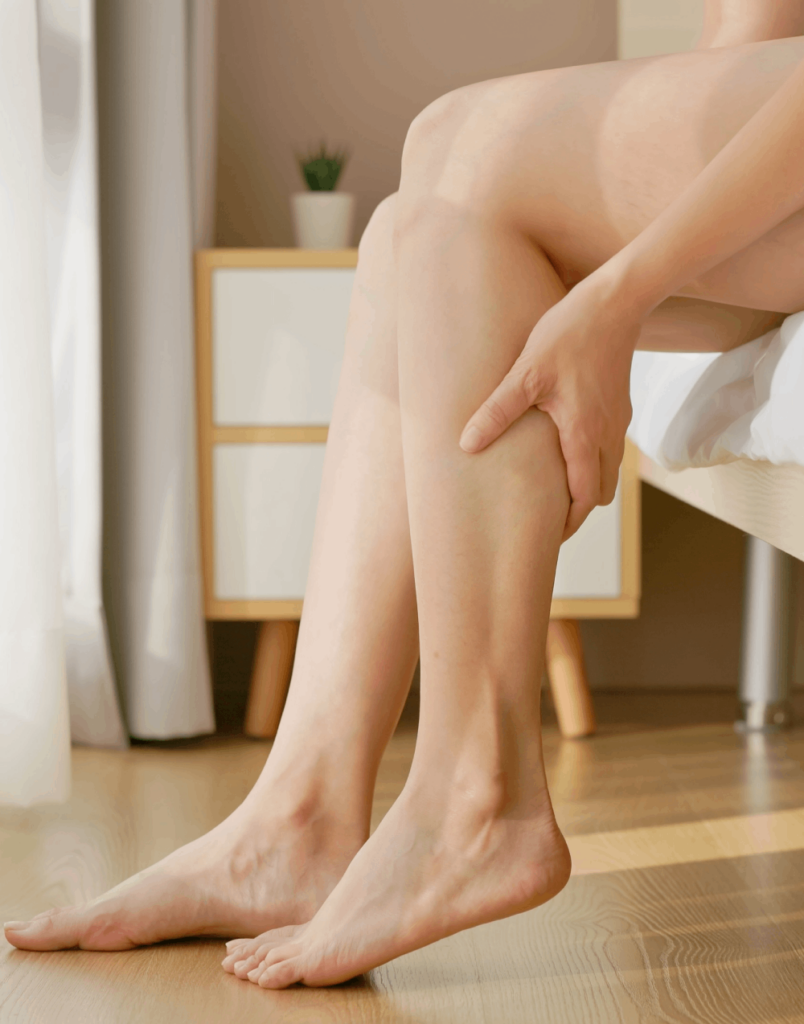
Leg vein health covers a group of related conditions: varicose veins, thread veins, venous insufficiency, lipoedema and lymphoedema. Aching, swelling, heaviness and night cramps are the most common complaints. Op. Dr. Arzu Ercan assesses these conditions at Acıbadem Kozyatağı Hospital in Istanbul on the basis of a clinical examination and colour Doppler ultrasound. Below you will find a short overview of who each treatment is suitable for.
Varicose Vein Treatment
Varicose veins develop when the valves inside the veins stop working properly and blood pools in the leg, causing enlarged, tortuous veins, aching and swelling. The plan depends on the severity of symptoms, the location of the reflux found on Doppler ultrasound and the diameter of the vein. In the early stages compression and lifestyle changes may be enough; where there is significant reflux, minimally invasive methods are considered. Read more about varicose vein treatment
Minimally Invasive Varicose Vein Treatments
Laser, radiofrequency, foam sclerotherapy and medical adhesive are performed under local anaesthetic, without an incision and usually with same-day discharge. Patients can walk shortly after the procedure and return to daily life quickly. The method is chosen at the consultation according to the diameter and course of the vein and general health; there is no single right method for everyone. Read more about minimally invasive treatments
Lipoedema Treatment
Lipoedema is a condition seen mostly in women, with symmetrical, painful fat accumulation in the legs and sometimes the arms, and it does not respond to dieting. Treatment is planned according to the stage, with compression, exercise, manual lymphatic drainage and, where needed, advanced methods. The aim is to reduce pain and slow progression. Read more about lipoedema treatment
Cellulite Treatment
Cellulite is not only a cosmetic matter: slowed circulation and lymphatic flow make the dimpled appearance of the skin more pronounced. If there is underlying venous insufficiency, that is addressed first; circulation-supporting treatments and lifestyle advice then improve the appearance of the skin. Read more about cellulite treatment
Lymphoedema Treatment
Lymphoedema is swelling caused by lymph fluid building up in the tissue, often starting on one side. It is a chronic condition; the aim is to control the swelling, protect the skin and prevent infections. A regular programme of compression, manual lymphatic drainage, exercise and skin care clearly improves quality of life. Read more about lymphoedema treatment
Vascular Health for Athletes
In people who train intensively the leg venous system is under a different kind of load; recurrent cramps, swelling and a drop in performance may have a venous cause. The assessment includes mapping the circulation with Doppler ultrasound and preventive advice suited to the training programme. Read more about vascular health for athletes
Exercise and Preventive Advice
The calf muscles work like a second heart: regular walking and simple leg exercises strengthen venous return. Avoiding long periods of immobility, weight control and compression stockings when needed are recommended both after treatment and as prevention. Read more about exercise programmes
How Does the Treatment Process Work?
- First consultation: Listening to your complaints, previous treatments and expectations.
- Examination and Doppler ultrasound: Mapping the reflux points and the vein anatomy.
- Plan and information: A clear explanation of the options, expected results and possible risks.
- Procedure: Local anaesthetic and same-day discharge for most treatments.
- Follow-up: Review appointments, compression use and preventive advice.
When Should You See a Doctor?
Sudden one-sided swelling and pain in the leg, hardness and redness along a vein, a wound that does not heal or permanent darkening of the skin should be assessed promptly. These signs may point to deep vein thrombosis or advanced venous insufficiency.
The information on this page is for general guidance only. Diagnosis and treatment decisions are made individually, after a consultation.
Frequently asked questions
Common questions about the treatments
A few of the questions asked most often before a consultation. If you have another question, use the form beside the list.
Is varicose vein treatment painful?
All minimally invasive methods are performed under local anaesthetic. Apart from mild pressure or a feeling of warmth, no significant pain is expected during the procedure. Tenderness and mild bruising for a few days afterwards are normal and are easily managed with simple painkillers.
When can I return to work after minimally invasive treatment?
After laser, radiofrequency or adhesive treatment most patients return to desk work the next day. For physically demanding jobs this may take a few days. The exact advice is given at the consultation, according to the type of procedure.
Can varicose veins come back after treatment?
The treated vein closes and does not return. However, varicose veins are a condition that can develop in new veins over time in people who are prone to them. Regular walking, weight control, compression stockings and review appointments reduce the risk of new veins forming.
Does lipoedema go away with diet and exercise?
The fat tissue in lipoedema is resistant to diet and exercise. Even with weight loss, the disproportion in the legs usually remains. Exercise and compression still reduce pain and slow progression. The treatment plan is tailored to the stage of the condition.
Can lymphoedema be cured completely?
Lymphoedema is a chronic condition. The aim is to control the swelling, protect the skin and prevent infections. A regular programme of compression, manual lymphatic drainage, exercise and skin care can reduce the swelling considerably and clearly improve quality of life.
- Get a Second Opinion An independent specialist assessment of your current diagnosis and treatment. Get Started
- Online Doctor Consultation Meet via a secure video call before visiting the clinic. Schedule a Call
- Ask on WhatsApp Send your questions directly to our team. Start Chatting
- Free Preliminary Assessment Share your situation and let's map out a personalised plan together. Apply